
The Hidden Cost of “Minor” Car Crashes That Insurance Won’t Tell You
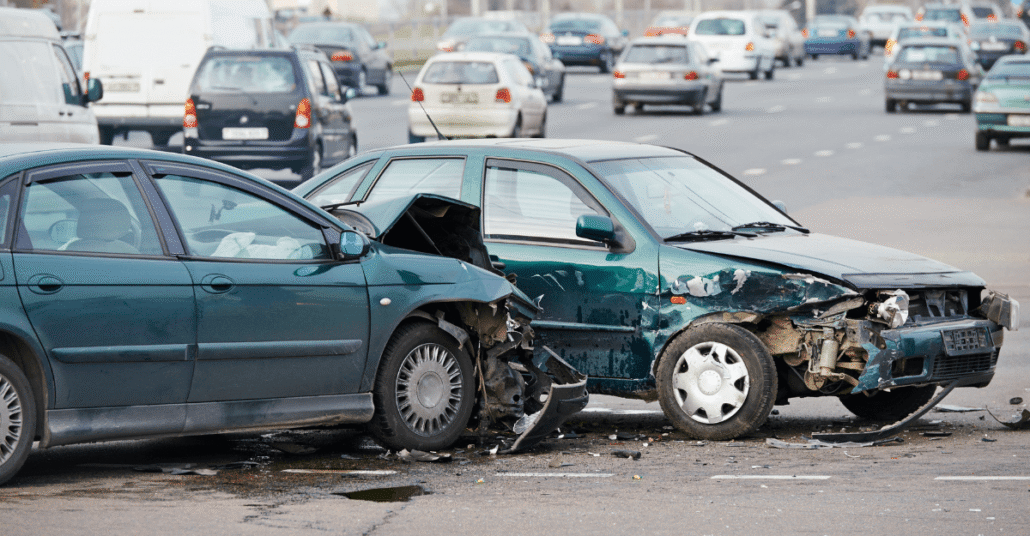
The moments following a sudden jolt on the Katy Freeway are often confusing. You step out of your vehicle, check the bumper, and see only a few scratches or a small dent. The other driver is apologetic, the traffic is moving around you, and the immediate thought is to simply exchange insurance information and head home. Many drivers mistakenly believe that if the vehicle damage is negligible, their physical health is entirely secure. The adrenaline surging through your body masks the subtle warning signs of deep muscle tearing and joint trauma.
What Qualifies as a “Minor” Car Accident in Texas?
In Texas, a minor car accident is typically defined as a low-speed collision resulting in cosmetic vehicle damage and no immediate, obvious injuries at the scene. However, even crashes at speeds under fifteen miles per hour can generate enough force to cause significant underlying bodily trauma that requires medical attention.
A minor vehicle collision is often dismissed by law enforcement and insurance adjusters as a simple fender bender. These incidents typically happen in stop-and-go traffic on heavily congested routes, at red lights along Pin Oak Road, or in crowded commercial parking lots. Because there is no shattered glass, deployed airbags, or visible blood, all parties involved tend to downplay the severity of the event. The responding officer from the Harris County Sheriff’s Office might write a quick report and quickly clear the scene to restore the flow of traffic.
The danger lies in confusing property damage with bodily injury. Modern vehicle engineering prioritizes cabin integrity, meaning bumpers are specifically designed to flex and absorb impacts at low speeds without displaying major exterior destruction. However, the kinetic energy from that impact does not simply vanish. It travels straight through the vehicle frame and directly into the occupants. Under Texas Transportation Code Section 550.026, drivers are legally obligated to report any crash resulting in physical injury, death, or property damage exceeding one thousand dollars. The reality is that modern vehicle repairs and a single hospital visit will almost always exceed this statutory threshold, making official reporting a vital step.
Why Do Injuries From Minor Collisions Often Take Days to Appear?
Injuries from minor collisions often take days to appear because the adrenaline and endorphins released during the crash mask immediate physical pain. Soft tissue injuries, such as whiplash or muscle sprains, involve microscopic tears that slowly inflame, resulting in stiffness and severe discomfort twenty-four to forty-eight hours after the impact.
Human anatomy is not equipped to handle sudden, violent changes in velocity, even at low speeds. When a heavy truck rear-ends your sedan, your head and neck snap backward and forward in a rapid whip-like motion. This mechanism of injury stretches the delicate ligaments, tendons, and muscles in the cervical spine far beyond their normal range of motion. The immediate aftermath of the crash triggers a massive fight-or-flight response in your nervous system. Your body floods with adrenaline and endorphins, which act as natural painkillers to help you survive a perceived threat.
While you are standing on the side of Farm to Market 1463 exchanging insurance cards, you might honestly feel completely fine. The adjuster minimizes damages by relying on this biological reality. They will call you that same afternoon and ask for a recorded statement while you are still numb to the injury.
The impact causes soft tissue tearing on a microscopic level, and that tissue takes time to swell and compress surrounding nerves. By the time you wake up the next morning, or perhaps two days later, the inflammation has peaked. Getting a proper diagnostic evaluation at facilities like Memorial Hermann Katy Hospital ensures that these delayed-onset injuries are properly documented before the insurance company attempts to claim the injury is unrelated to the crash.
How Can a “Fender Bender” Lead to Thousands in Hidden Medical Bills?
A simple fender bender can result in thousands of dollars in hidden medical bills when victims require emergency room visits, advanced diagnostic imaging like MRIs, and months of continuous physical therapy. What appears to be a slight neck ache can quickly evolve into chronic pain requiring expensive, long-term rehabilitative care.
The financial consequences of a minor crash compound rapidly. Most accident victims grossly underestimate the current costs of modern healthcare. You cannot properly value your claim or demand a settlement until you have reached Maximum Medical Improvement (MMI) the point at which your treating physicians determine your condition has stabilized. Reaching MMI for a severe soft tissue injury can involve an extensive and costly medical journey.
The hidden costs of a low-impact collision frequently include:
- Emergency Room Evaluations: A single visit to check for internal bleeding or concussions can generate thousands of dollars in facility fees, physician charges, and baseline radiology bills.
- Advanced Diagnostic Imaging: Standard X-rays rarely show soft tissue damage. Identifying herniated discs or torn ligaments requires Magnetic Resonance Imaging (MRI), which adds significant costs to your medical baseline.
- Long-Term Physical Therapy: Restoring range of motion and rebuilding muscle strength typically requires two to three sessions of targeted physical therapy per week, often lasting for several months.
- Specialist Consultations: Persistent nerve pain or headaches may necessitate referrals to neurologists or orthopedic specialists for specialized intervention, such as epidural steroid injections.
- Prescription Medications: Muscle relaxers, anti-inflammatory drugs, and pain management medications create ongoing out-of-pocket expenses while you attempt to heal.
Without a legal team actively working to transfer these financial burdens to the at-fault driver’s insurance policy, you could be left draining your personal savings or facing aggressive medical collections.
What Tactics Do Texas Insurance Adjusters Use to Minimize Low-Impact Claims?
Texas insurance adjusters minimize low-impact claims by arguing that minor vehicle damage equates to minor bodily injury. They frequently rush victims into accepting lowball settlement offers before the full extent of their physical injuries becomes apparent, effectively closing the claim before the victim seeks necessary diagnostic medical care.
Insurance companies are highly profitable financial institutions, and their primary objective is to protect their corporate bottom line. When an adjuster sees photographs of a vehicle with only a scratched bumper, they immediately classify the file as a minimal impact soft tissue (MIST) claim. The adjuster minimizes damages by following a rigid corporate playbook designed to frustrate the victim and force a fast, cheap resolution.
One of the most common tactics is the early settlement offer. The adjuster will call you within days of the accident, acting incredibly friendly and helpful. They will offer to cover your property damage immediately and write you a check for one or two thousand dollars to cover any “inconvenience” or minor medical bills. If you accept that check and sign the accompanying release of liability, your claim is permanently closed. If you discover a herniated disc three weeks later that requires a thirty-thousand-dollar surgery, you have zero legal recourse against the insurance company.
Another aggressive strategy is the demand for a recorded statement. The adjuster will ask seemingly innocent questions about your speed, your focus, and your physical health. They are intentionally looking for inconsistencies or admissions of partial fault that they can weaponize against you later in the negotiation process. Having a skilled legal team handle all communications intercepts these tactics and protects the objective value of your claim.
Does Vehicle Damage Accurately Reflect the Severity of Bodily Injury?
Vehicle damage does not accurately reflect the severity of bodily injury. Modern cars are engineered with stiff bumpers that absorb low-speed impacts without showing significant exterior damage, but that kinetic energy is transferred directly to the vehicle’s occupants, frequently causing severe trauma to the neck, spine, and joints.
The myth that “no vehicle damage equals no injury” is a persistent falsehood perpetuated by corporate defense teams. The laws of physics dictate that the energy from a moving vehicle must go somewhere upon impact. In high-speed collisions, the vehicle’s crumple zones crush and fold, sacrificing the car to dissipate the kinetic force before it reaches the cabin. In low-speed crashes, those crumple zones often fail to engage.
Because the exterior of the vehicle does not crush to absorb the blow, the kinetic force is transferred directly through the chassis, into the seat, and directly into your spine. This phenomenon leads to specific, well-documented injuries:
- Cervical Acceleration-Deceleration (CAD): Commonly known as whiplash, this rapid movement forces the neck past its anatomical limits, tearing muscles and ligaments.
- Traumatic Brain Injuries (TBI): The brain is suspended in fluid inside the skull. A sudden jolt can cause the brain to strike the inside of the skull, leading to concussions, even without any direct blow to the head.
- Disc Herniations: The sudden compression of the spinal column can cause the gel-like center of a spinal disc to bulge or rupture, pressing agonizingly against the spinal cord or nearby nerve roots.
- Facet Joint Injuries: The small joints connecting the vertebrae in your spine can be easily sprained or dislocated during a rear-end impact, leading to chronic back pain.
A skilled attorney gathers medical evidence to definitively prove that the mechanism of injury aligns with the forces generated in the collision, entirely independent of the cosmetic damage to the vehicle’s bumper.
When Are You Legally Required to Report a Minor Crash in Harris County?
You are legally required to report a minor crash in Harris County if the collision results in any physical injury, death, or property damage exceeding one thousand dollars. Filing an official CR-3 crash report with local law enforcement creates an objective, third-party record that protects your legal rights.
Many drivers hesitate to call the police for a minor fender bender, believing it will be a waste of resources or that their insurance premiums will increase. However, failing to report the crash is a massive strategic error that can destroy your ability to secure fair compensation. An official police report generated by the Houston Police Department or the Harris County Sheriff’s Office is the foundational document of any personal injury claim.
When an officer responds to the scene, they gather vital intelligence. They document the exact location of the collision, the weather conditions, the statements of both drivers, and the contact information for any independent witnesses. Most importantly, the officer will issue citations if the other driver was texting, speeding, or failing to yield. Without this objective, third-party documentation, the situation devolves into a “he-said, she-said” argument.
The at-fault driver who was incredibly apologetic at the scene might tell their insurance company an entirely different story a week later. Securing that TxDOT CR-3 crash report locks down the liability facts and provides your legal counsel with the evidence needed to build a comprehensive demand package.
What Steps Should You Take Immediately After a Minor Wreck on the Katy Freeway?
Immediately after a minor wreck on the Katy Freeway, you should move your vehicle to the shoulder if safe, call local law enforcement to generate a police report, take extensive photographs of both vehicles, collect witness contact information, and seek a professional medical evaluation the same day.
The actions you take in the immediate aftermath of a low-speed collision dictate the entire trajectory of your future legal claim. If you make the wrong moves at the scene, recovering fair compensation becomes exponentially more difficult. Our legal team recommends following these precise steps to protect your physical health and your financial future:
- Ensure Physical Safety: If the vehicles are drivable and obstructing traffic on a major highway, safely move them to the shoulder or a nearby parking lot to prevent a secondary collision.
- Call Local Law Enforcement: Dial 911 or the non-emergency dispatch number. Request that an officer respond to the scene to generate an official crash report. Do not let the other driver talk you out of calling the police.
- Document the Scene Extensively: Use your smartphone to take wide-angle photos of the entire intersection, close-up photos of both vehicles, and pictures of the at-fault driver’s license plate and insurance card.
- Secure Independent Witnesses: If bystanders saw the crash occur, ask for their names and phone numbers immediately. Independent witness testimony is the strongest defense against comparative fault allegations.
- Limit Your Conversation: Exchange insurance information calmly, but never apologize for the accident or admit any degree of fault. Limit your dialogue entirely to factual information.
- Seek Immediate Medical Attention: Go to Houston Methodist West Hospital, a local urgent care, or your primary physician on the same day. Do not wait for the pain to become unbearable before seeking a diagnostic baseline.
How Can a Texas Personal Injury Attorney Protect Your Rights After a “Small” Crash?
A Texas personal injury attorney protects your rights after a small crash by preserving vital evidence, intercepting aggressive communication from insurance adjusters, demanding fair compensation for hidden medical costs, and ensuring you do not accept a premature settlement before reaching maximum medical improvement.
At Will Adams Law Firm PLLC, our knowledgeable attorneys meticulously handle the gathering of vital evidence, communicate directly with difficult insurance adjusters, and build comprehensive demand packages that accurately reflect the full objective value of your damages. We understand the local legal landscape of the Harris County District Courts and know how to fight back against tactics designed to minimize your injuries.
Contact our office today to schedule a free, confidential consultation to thoroughly discuss your legal options and secure the focused, effective representation you deserve.
Frequently Asked Questions
How long do I have to file an injury claim for a minor accident in Texas?
Under Texas law, you generally have exactly two years from the date of the collision to file a personal injury lawsuit against the at-fault driver. If you fail to file your complaint within this strict statute of limitations, the court will permanently bar your right to recover any financial compensation. Retaining legal counsel early ensures all filing deadlines are met and evidence is preserved.
Will my insurance rates increase if I report a minor crash that was not my fault?
Texas insurance regulations generally prohibit your carrier from increasing your premium for a collision where you were completely devoid of fault. The financial responsibility falls entirely on the negligent driver’s liability policy. Reporting the incident protects you from being held liable if the other driver later changes their story.
Should I accept the at-fault driver’s offer to pay for damages privately?
You should never accept a private cash offer at the scene of the accident. It is impossible to accurately assess the internal structural damage to your vehicle or the delayed physical injuries to your own body in those first few minutes. Bypassing the insurance system leaves you with absolutely no recourse when the repair shop quotes thousands of dollars or when you require long-term physical therapy.
Can I recover lost wages in Texas if a fender bender causes me to miss work?
Yes, you are legally entitled to demand compensation for all wages lost while you recover from your injuries or attend necessary medical appointments. This right applies even if you utilized your accrued sick leave or paid time off to cover the absences. That leave is an earned benefit, and you should not be forced to waste it because of another driver’s negligence.
What if I feel fine at the scene but wake up in severe pain the next day?
Delayed-onset pain is the most common medical reality of low-impact collisions due to adrenaline masking the initial soft tissue tearing. You should immediately seek a professional medical evaluation to document your symptoms the moment they arise. An experienced legal team can connect this delayed pain directly to the mechanics of the collision to secure your rightful compensation.