How Much Is the Average Car Accident Settlement Worth in Texas?
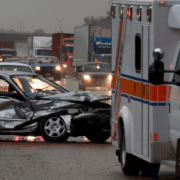
The moments immediately following a violent collision on the Katy Freeway or a sudden impact at the busy intersection of Mason Road and Westheimer Parkway are completely overwhelming. Between the blinding flash of airbags, the sound of tearing metal, and the sudden rush of adrenaline, your life is altered in a matter of seconds. When the tow trucks eventually clear the debris from the roadway, you are left to face intense physical pain, mounting anxiety, and a rapidly growing stack of hospital bills. Naturally, one of the first questions victims ask is what they can expect regarding a financial settlement.
Why Is There No True “Average” Car Accident Settlement in Texas?
There is no true average car accident settlement in Texas because every case involves unique variables. Payouts depend entirely on the severity of your physical injuries, the total cost of your medical care, the at-fault driver’s insurance policy limits, and your percentage of fault in the collision.
When an insurance adjuster opens a new file, they do not look at a standard menu of payouts. Instead, they evaluate the specific financial exposure your claim represents to their company. A minor rear-end collision in a Cinco Ranch subdivision, resulting in a few weeks of physical therapy, will inherently yield a vastly different financial figure than a catastrophic collision with a commercial delivery van on Interstate 10 that requires emergency surgery.
Settlement values are built upon documented facts, not generalized averages. To maximize a claim’s value, a victim must provide objective proof of how the accident has altered their life. The factors that actively push a settlement valuation higher include:
- Extended hospitalizations and intensive care at medical facilities, including specialized units within institutions like Memorial Hermann Katy Hospital or Houston Methodist West Hospital.
- The necessity of future medical procedures, including surgeries, rehabilitation, physical therapy, and lifelong pain management for chronic conditions resulting from the accident.
- Documented periods of lost income, including wages, bonuses, and commissions, as well as diminished future earning capacity due to permanent injury or impairment.
- Permanent scarring, severe disfigurement, or the total or partial loss of critical bodily function, such as mobility or sensation.
What Types of Compensation Can I Recover After a Houston Car Crash?
Texas law allows car accident victims to recover two main types of compensation: economic damages and non-economic damages. Economic damages reimburse measurable financial losses like medical bills and lost wages, while non-economic damages provide financial relief for subjective harm like physical pain, mental anguish, and physical impairment.
Economic Damages
These represent the objective, out-of-pocket expenses you have incurred, as well as the financial losses you will likely face in the future. They are calculated using hard documentation such as receipts, invoices, and pay stubs. Examples include:
- Emergency transportation and comprehensive trauma care.
- Necessary surgeries, advanced diagnostic imaging, and extended physical rehabilitation programs.
- The full costs associated with essential mobility aids, necessary home modifications to accommodate disabilities, and required prescription medications.
- Wages and income lost during your entire initial recovery and recuperation period.
- Loss of future earning capacity, representing the potential income you will be unable to earn if your permanent injuries prevent you from returning to your former profession or limit your ability to work.
Non-Economic Damages
Physical injuries are visible and measurable, but the emotional and psychological scars left behind can be just as debilitating. Non-economic damages compensate you for the invisible toll of the accident. Severe collisions frequently result in conditions like post-traumatic stress disorder (PTSD), chronic insomnia, and amaxophobia (a paralyzing fear of driving). For residents commuting daily on the Grand Parkway or Farm to Market 1463, a newly developed fear of driving directly disrupts employment and daily household functioning.
How Does Texas’s Modified Comparative Fault Rule Impact My Settlement?
The State of Texas operates under a modified comparative fault system, specifically adhering to the 51% bar rule. This legal doctrine means that your financial recovery will be reduced by your assigned percentage of fault for the accident. Furthermore, if you are found to be 51% or more responsible for the collision, you are entirely barred from recovering any compensation from the other involved parties.
Insurance companies heavily leverage this rule during negotiations. If an adjuster can find a reason to shift even 10% or 20% of the blame onto your shoulders, they save their company a significant amount of money. For example, if a negligent driver runs a red light on Pin Oak Road and hits you, but the insurance company argues you were speeding slightly above the limit, they may attempt to assign you 20% of the fault. If your total damages equal $100,000, your final settlement would be reduced to $80,000.
Defeating these aggressive tactics requires early and thorough investigation. Securing intersection surveillance footage, downloading vehicle telematics data, and gathering independent witness testimony are essential steps to protect you from unfair blame and preserve the full value of your claim.
How Do Insurance Policy Limits Restrict Settlement Values in Texas?
In Texas, an at-fault driver’s insurance policy limits dictate the maximum amount their insurance company will pay for your injuries. Texas requires minimum liability limits of $30,000 per person and $60,000 per accident. If your damages exceed these limits, recovering full compensation requires identifying additional insurance coverage.
A massive problem arises when catastrophic injuries collide with state-minimum policies. If you require emergency surgery and weeks of rehabilitation, your medical bills alone can easily exceed $30,000. Once the at-fault driver’s insurance company tenders that policy limit, their financial obligation is generally fulfilled, leaving you responsible for the remaining balance.
When limits are insufficient, an experienced legal team will immediately investigate alternative sources of recovery:
Uninsured/Underinsured Motorist (UM/UIM) Coverage: If the at-fault driver either lacks auto insurance entirely or their policy limits are insufficient to cover the full extent of your injuries and losses, carrying this optional coverage on your own auto policy provides a vital safety net. It steps in to bridge the gap between the at-fault driver’s low limits and your actual, documented damages, effectively allowing your own insurance company to compensate you up to your policy limits.
Commercial Policies: Accidents involving large commercial vehicles often have significantly higher compensation potential. If you were struck by an Amazon delivery van, a FedEx truck, a commercial contractor’s vehicle, or any business-owned fleet vehicle, massive corporate insurance policies with liability limits of $1 million or more may apply. However, identifying the correct insured entity (which could be the driver, the employer, the vehicle owner, or a combination) and successfully penetrating the complex corporate liability shields requires an aggressive, well-researched legal strategy to prove corporate negligence.
Third-Party Liability: In some cases, the responsibility for the accident extends beyond the negligence of the other driver involved. This concept of third-party liability can open additional avenues for substantial compensation. Potential third parties include:
- Vehicle Manufacturers: If a defective component (e.g., faulty brakes, airbags, or tires) contributed to the collision or exacerbated your injuries.
- Governmental Entities: If poorly maintained roadways, inadequate signage, or malfunctioning traffic lights were a cause of the crash.
- Local Businesses (Dram Shop Liability): If an establishment, like a bar or restaurant, illegally overserved a visibly intoxicated patron who then caused the accident, that establishment can be held partially liable for the resulting damages.
What Role Does Medical Documentation Play in Maximizing a Claim?
Thorough medical documentation is the foundation of any successful Texas car accident claim. Insurance companies require objective clinical records to verify your injuries and justify financial compensation. Without chronological treatment notes and formal diagnoses, adjusters will actively dispute the severity and origin of your physical and psychological pain.
The most damaging self-inflicted wound in any personal injury claim is a gap in treatment. The body’s natural trauma response often floods the system with adrenaline at the crash scene, temporarily masking serious physical and psychological injuries. Many victims walk away feeling “just sore,” only to wake up days later with severe spinal pain or overwhelming anxiety.
If you wait two or three weeks to seek an evaluation at an urgent care clinic or local hospital, the insurance adjuster will use that delay against you. They will argue that if you were truly injured, you would have sought immediate care, and they will suggest your injuries stem from unrelated life events that occurred after the crash.
To build an unbroken chain of documentation:
- Seek emergency medical evaluation within 24 to 48 hours of the impact, regardless of how you feel initially, as many serious injuries have delayed symptoms.
- Attend every scheduled follow-up appointment, physical therapy session, and specialist referral, and ensure you keep detailed records of all these visits and treatments.
- Maintain a daily personal journal detailing your pain levels, sleep disruptions, and how the injuries limit your normal routine in places like Elyson or Firethorne, documenting the emotional and financial impact as well.
Calculating Non-Economic Damages: Multiplier vs. Per Diem Methods
While calculating hospital bills is straightforward mathematics, placing a dollar figure on human suffering requires a different approach. Texas courts and insurance companies generally utilize one of two methods to translate subjective emotional distress and physical pain into objective financial figures.
The multiplier method is the most widely accepted approach in Harris County and Fort Bend County venues. This method takes the total sum of your verified economic damages (medical bills and lost wages) and multiplies that number by a factor typically ranging from 1.5 to 5. The severity of the accident and the permanence of your injuries determine the specific multiplier used. A catastrophic collision requiring lifelong psychiatric care and permanent mobility assistance justifies a multiplier at the highest end of the spectrum, while a soft-tissue injury that resolves in a few months warrants a lower multiplier.
Alternatively, the per diem approach assigns a daily dollar value to your suffering often based on your daily working wage, and multiplies it by the total number of days you spend in active recovery. While less common for permanent, life-altering injuries, this method is sometimes used to quantify the daily disruption of physical therapy, doctor visits, and temporary disability.
How Long Does It Take to Settle a Car Accident Claim in Harris or Fort Bend County?
Settling a car accident claim in Harris or Fort Bend County generally takes anywhere from a few months to over a year. The timeline depends on the duration of your medical treatment, the clarity of liability, the insurance company’s willingness to negotiate, and whether filing a lawsuit becomes necessary.
A primary factor controlling the timeline is reaching Maximum Medical Improvement (MMI). MMI is the point at which your treating physicians determine that your condition has stabilized and will not significantly improve with further treatment. Demanding a settlement before reaching MMI is incredibly risky; if you settle today but discover you need another surgery six months from now, you cannot reopen the claim to ask for more money.
If an insurance carrier operates in bad faith and refuses to offer fair compensation during pre-litigation negotiations, filing a formal lawsuit triggers the discovery phase. This process involves written interrogatories, sworn depositions, and the exchange of evidence. Most courts in this jurisdiction require mandatory mediation before a trial date is set. Many complex cases are successfully resolved during mediation, as corporate defendants generally prefer to avoid the unpredictability of a jury trial.
Protecting Your Future After a Traumatic Collision
Taking on massive insurance providers and corporate defense teams is not a burden you should carry alone while trying to heal. These entities utilize practiced strategies to stall claims, exhaust your patience, and protect their profit margins by denying the true impact of your invisible and physical injuries.
At Will Adams Law Firm PLLC, we meticulously handle the heavy lifting of gathering vital evidence, communicating with aggressive insurance adjusters, and building a comprehensive demand package that accurately reflects the full lifetime value of your damages. We understand the vast difference between a quick, insufficient settlement and a truly fair one that protects your family’s future.
Contact us today at (281) 371-4800 to schedule a free, confidential consultation to thoroughly discuss your specific legal situation.