
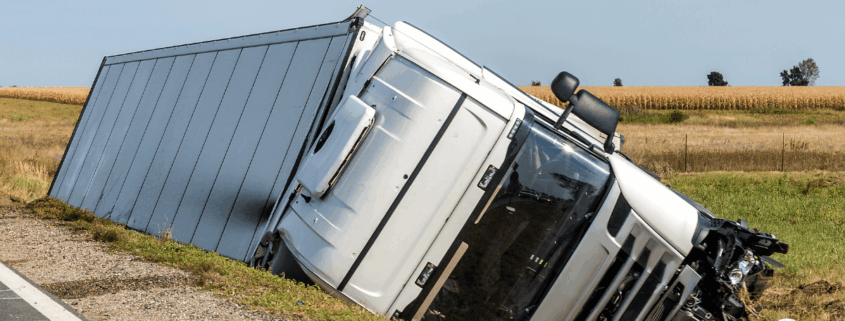
Fulshear, TX Trucking Accident Lawyers
Fulshear, Texas, is defined by its rapid and impressive growth. From the sprawling master-planned communities of Cross Creek Ranch and Fulbrook on Fulshear Creek to the constant commercial development, our corner of Fort Bend County is expanding. This growth brings opportunity, but it also places an enormous strain on our infrastructure.
Roads that were once quiet farm-to-market routes are now major thoroughfares. FM 1093, FM 359, and the Westpark Tollway, along with nearby I-10, are filled with commuter traffic. Alongside this traffic is a constant stream of 18-wheelers, semi-trucks, construction vehicles, and delivery vans that fuel our community’s development.
When one of these massive commercial vehicles is involved in a collision, the results are rarely minor. The sheer size and weight disparity mean that occupants of passenger cars often suffer devastating, life-altering injuries. In the chaotic moments that follow, victims and their families are thrust into a complex situation, facing physical pain, emotional trauma, and aggressive insurance companies representing powerful trucking corporations.
Why Are Collisions With 18-Wheelers So Different?
It is a common mistake to think of a tractor-trailer collision as just a “big car accident.” The reality is that these cases are significantly more complex for several reasons.
- Catastrophic Damages: The immense force involved in a semi-truck crash often results in severe, permanent injuries or, tragically, wrongful death. The medical needs and financial losses are typically far greater than in a standard car wreck.
- Complex Federal Regulations: The trucking industry is governed by a dense set of federal laws known as the Federal Motor Carrier Safety Administration (FMCSA) regulations. These rules dictate everything from how long a driver can be on the road to vehicle maintenance standards. A violation of these rules can be a key factor in proving negligence.
- Multiple Liable Parties: In a car accident, liability often rests with one other driver. In a truck accident, a long list of corporations and entities may share the blame, from the driver to the trucking company, the cargo loader, and the maintenance provider.
- Aggressive Corporate Defense: Trucking companies and their insurance providers have rapid-response teams that often arrive at the accident scene within hours. Their goal is to gather evidence, control the narrative, and find ways to limit or deny their financial responsibility from the very beginning.
Who Can Be Held Liable in a Commercial Truck Accident Claim?
Determining liability in a standard passenger vehicle accident is usually straightforward—it is typically one driver or the other. However, commercial truck accidents are significantly more complex. Because the trucking industry involves a web of contractors, federal regulations, and corporate entities, a single crash can result in multiple parties being held legally responsible.
Identifying every liable party is vital for victims. Commercial accidents often result in catastrophic injuries with high medical costs; uncovering all sources of insurance coverage ensures that the compensation recovered is sufficient to cover long-term needs.
The Truck Driver: Direct Negligence
The most immediate party to investigate is the individual behind the wheel. Truck drivers are professional operators held to higher safety standards than the average motorist. When a driver fails to uphold these standards, they are directly liable for the resulting damages.
Common forms of driver negligence include:
- Hours-of-Service (HOS) Violations: To prevent fatigue-related crashes, the Federal Motor Carrier Safety Administration (FMCSA) limits how many hours a driver can be on the road. Drivers who ignore these limits to meet deadlines are a major hazard.
- Distracted Driving: Texting, using navigation systems, or eating while driving a 40-ton vehicle is a recipe for disaster.
- Impairment: This includes the use of illegal drugs, alcohol, or even over-the-counter medications that cause drowsiness.
- Aggressive Driving: Speeding to make up for lost time or following too closely (tailgating) significantly increases the stopping distance required for a heavy rig.
The Trucking Company (Motor Carrier)
Under the legal doctrine of respondeat superior, an employer is often responsible for the actions of its employees. However, trucking companies can also be held liable for their own independent acts of negligence.
A motor carrier may be at fault if it engaged in:
- Negligent Hiring: Hiring a driver with a history of DUIs, reckless driving, or serious safety violations.
- Inadequate Training: Failing to ensure that a driver is properly licensed and trained to handle the specific type of vehicle or cargo they are transporting.
- Forced Compliance: Pressuring drivers to skip rest breaks or exceed speed limits to maximize company profits.
- Poor Record Keeping: Failing to maintain accurate logs or driver qualification files as required by federal law.
The Cargo Loader or Shipping Entity
The way a trailer is packed has a massive impact on how the truck handles on the road. Commercial trucks have a high center of gravity; if the weight is not distributed correctly, the vehicle becomes unstable.
Liability often falls on third-party loading companies if:
- Cargo Shifts: If the freight is not properly secured, it can shift during a turn, leading to a “jackknife” or a rollover accident.
- Overloading: Exceeding the maximum weight capacity makes it harder for the truck to stop and puts extreme stress on the braking system.
- Hazardous Materials: Failing to properly label or secure dangerous chemicals can lead to secondary injuries (chemical burns or respiratory issues) following a collision.
The Shipping Company or Freight Broker
In the modern economy, “brokers” act as middlemen between companies that need goods moved and the trucking companies that move them. While brokers often claim they have no control over the driver, they can be held liable under a theory of “negligent selection.”
If a broker hires a trucking company that has a “Conditional” or “Unsatisfactory” safety rating from the FMCSA just because they offered the lowest price, the broker may share in the liability for any accidents that occur. Shippers also have a duty to ensure they are not contracting with “chameleon” carriers—shady companies that shut down and restart under new names to hide poor safety records.
Maintenance Providers and Repair Shops
Trucking companies often outsource their fleet maintenance to third-party mechanics. If a crash is caused by a mechanical failure that should have been caught during a routine inspection, the maintenance provider may be the primary defendant.
Common maintenance failures include:
- Brake Failure: Neglecting to replace worn pads or fix air line leaks.
- Tire Blowouts: Failing to replace tires with insufficient tread or ignoring “retread” separations.
- Lighting Issues: Non-functional turn signals or trailer lights that make the truck invisible to other drivers at night.
Vehicle and Parts Manufacturers
Sometimes, the fault lies not with a person, but with the equipment itself. If a component was designed or manufactured with a defect, the manufacturer can be held liable through a product liability claim.
Examples of defective parts that lead to accidents include:
- Defective Steering Systems: Causing the driver to lose the ability to guide the vehicle.
- Faulty Coupling Devices: Leading to a “runaway trailer” where the trailer detaches from the tractor while in motion.
- Design Flaws: Such as fuel tanks that are prone to exploding upon impact or underride guards that fail to prevent cars from sliding beneath the trailer.
Government Entities and Contractors
While less common, the condition of the road itself can contribute to a truck accident. If a crash occurs due to a massive pothole, lack of proper signage in a construction zone, or a poorly designed highway off-ramp, a government agency or a private road contractor might be held liable. These claims are subject to strict “sovereign immunity” rules and shorter filing deadlines, making it imperative to identify this type of liability immediately.
Common Causes of Tractor-Trailer Accidents in Fort Bend County
While every crash is unique, most commercial truck accidents stem from preventable negligence. We investigate all types of collisions to find the root cause.
- Driver Fatigue: This is one of the most common factors. Federal hours-of-service regulations limit how long a driver can be on duty. When trucking companies pressure drivers to ignore these rules, or when drivers falsify their logs, fatigued driving is the result. A drowsy driver has slowed reaction times, impaired judgment, and may even fall asleep at the wheel.
- Distracted Driving: Truck drivers using cell phones, dispatching devices, GPS units, or other in-cab technology are a significant danger on roads like the Westpark Tollway or I-10.
- Speeding and Aggressive Driving: A fully loaded 80,000-pound truck takes a much longer distance to stop than a passenger car. When a driver is speeding or tailgating on FM 1093, they cannot stop in time to prevent a rear-end collision.
- Driving Under the Influence (DUI): A driver impaired by alcohol or drugs is a catastrophic risk. The federal blood alcohol content (BAC) limit for commercial drivers is half that of other drivers for a reason.
- Negligent Hiring and Poor Training: A trucking company may hire a driver with a known history of speeding, DUIs, or previous accidents. They may also fail to train a driver on how to handle the specific type of truck or cargo they are hauling.
- Improper Cargo Loading: If cargo is not properly secured, shifts during transit, or makes the trailer overweight or unbalanced, it can cause the driver to lose control and lead to a rollover or jackknife accident.
- Poor Vehicle Maintenance: Trucking companies are required to regularly inspect and maintain their vehicles. Failed brakes, worn-out tires, and steering or suspension failures are common examples of negligence that can cause a devastating wreck.
What Are the Federal Motor Carrier Safety Administration (FMCSA) Regulations?
The FMCSA regulations are a set of federal laws designed to make commercial trucking safer. A deep familiarity with these rules is important for any firm handling a truck accident case. These complex regulations govern nearly every aspect of the trucking industry.
Key parts of the FMCSA regulations include:
- Hours-of-Service (HOS): These rules strictly limit the number of hours a driver can be on duty and driving each day and week. They also mandate specific off-duty rest periods. Violations are a strong indicator of driver fatigue.
- Driver Qualification (DQ) Files: Companies must maintain a detailed file for every driver, including their employment application, driving record, medical certificate, and road test results.
- Drug and Alcohol Testing: The FMCSA mandates pre-employment, random, post-accident, and reasonable-suspicion drug and alcohol testing for all commercial drivers.
- Vehicle Inspection and Maintenance: Companies must keep detailed records of all inspections, repairs, and maintenance performed on their tractors and trailers.
- Cargo Securement: There are highly specific rules for how different types of cargo must be loaded and secured to prevent shifting or falling.
When a trucking company or driver violates these federal safety rules, it often serves as direct evidence of negligence.
What Kinds of Evidence Are Important in a Trucking Accident Investigation?
Unlike a simple car wreck, the most important evidence in a truck accident case is often in the possession of the trucking company. It is vital to act quickly to preserve this evidence before it can be legally destroyed or “lost.”
Key evidence work to secure includes:
- The “Black Box” (Event Data Recorder): Most modern trucks have an EDR that records data about the truck’s speed, brake application, RPMs, and other factors in the seconds leading up to and during a crash.
- Electronic Logging Device (ELD): This device tracks the driver’s hours-of-service, providing a digital record of their driving, on-duty, and rest periods, which can prove or disprove driver fatigue.
- Driver’s Qualification File: This file can show if the company was negligent in hiring a driver with a dangerous history.
- Maintenance and Inspection Records: These logs can reveal a pattern of neglected maintenance on the vehicle that caused the crash.
- Post-Accident Drug and Alcohol Test Results: FMCSA rules require these tests under specific circumstances after a serious accident.
- Driver’s Logbooks and Trip Records: These documents show the driver’s route, stops, and delivery schedule, which can be compared against the ELD data.
- Dispatch Instructions and Communications: These records may show a dispatcher pressuring a driver to speed or violate HOS rules.
- Dashcam Footage: Many commercial fleets now use inward- and outward-facing cameras that can capture the moments just before a collision.
- Police Reports: They obtain the official report from the Fulshear Police Department, Fort Bend County Sheriff’s Office, or the Texas Department of Public Safety (Texas Highway Patrol).
What Immediate Steps Should You Take After a Truck Accident in Fulshear?
The moments after a collision with an 18-wheeler are frightening and disorienting. If you are involved in such an accident, try to follow these steps to protect your health and your legal rights.
- Call 911 Immediately: Report the accident and request police and emergency medical services (EMS). A police report is a vital piece of evidence, and you need to ensure any injuries are documented.
- Seek Medical Attention: This is the most important step. Even if you feel you are not badly hurt, adrenaline can mask serious injuries. Go to an emergency room, such as at Houston Methodist West Hospital or Memorial Hermann Katy Hospital, or see your doctor as soon as possible. This creates a medical record linking your injuries to the accident.
- Document the Scene (If You Are Able): If your injuries permit, use your phone to take pictures and videos of everything. Get photos of all vehicles, the truck’s DOT number and license plate, the damage, skid marks, road debris, and any relevant traffic signs.
- Exchange Information: Get the truck driver’s name, driver’s license number, employer information, and insurance details. Also, get the names and contact information of any witnesses.
- Do Not Speak to Insurance Adjusters: The trucking company’s insurer may call you very quickly. You are not obligated to give them a recorded statement. Politely decline and state that your attorney will contact them. These adjusters are trained to get you to say something that can be used to damage your claim.
- Contact a Fulshear Truck Accident Attorney: Call an attorney with experience in commercial vehicle litigation as soon as possible. Evidence needs to be preserved immediately, and you need advice on how to protect your rights before they are compromised.
Catastrophic Injuries Often Caused by Commercial Vehicle Wrecks
The incredible forces involved in a truck crash mean the injuries are often permanent and life-altering. We represent clients who have suffered the most serious types of harm.
- Traumatic Brain Injuries (TBI): An impact to the head can cause a TBI, ranging from a concussion with lingering symptoms to severe trauma that permanently impairs cognitive function, memory, and personality.
- Spinal Cord Injuries: Damage to the spinal cord is one of the most devastating injuries, often resulting in partial or complete paralysis (paraplegia or quadriplegia) and a lifetime of dependency on medical care.
- Internal Organ Damage: The blunt force of a crash can damage the spleen, liver, kidneys, or lungs, leading to internal bleeding and life-threatening complications.
- Severe Fractures (Broken Bones): Compound or comminuted (shattered) fractures often require multiple surgeries to implant plates, screws, and rods, and can lead to long-term pain and post-traumatic arthritis.
- Amputations: The traumatic loss of a limb is a life-changing event that requires immense physical and psychological adaptation.
- Burn Injuries: If a vehicle catches fire, victims can suffer severe, disfiguring burns that require multiple painful skin graft surgeries.
- Wrongful Death: Tragically, many truck accidents are fatal. In these cases, we represent the surviving family members in a wrongful death claim to seek justice for their profound loss.
What Types of Compensation Can Be Recovered in a Truck Accident Claim?
The goal of a personal injury claim is to secure financial compensation, known as “damages,” to cover the full spectrum of your losses. We fight for you to recover:
Economic Damages: These are the tangible, financial losses that can be calculated.
- All past and future medical bills (ER visits, surgeries, hospitalization, physical therapy, medication, and future care needs).
- Lost wages from the time you missed at work.
- Loss of future earning capacity if you are disabled and cannot return to your job or must take a lower-paying one.
- Property damage for your vehicle.
Non-Economic Damages: These are the intangible losses that compensate for the human cost of the accident.
- Pain and suffering.
- Mental anguish and emotional distress.
- Physical impairment (loss of ability to do daily activities).
- Disfigurement and scarring.
- Loss of consortium (for the negative impact on your relationship with your spouse).
Exemplary (Punitive) Damages: In some rare cases involving gross negligence—such as a driver being intoxicated or a company intentionally falsifying maintenance logs—a jury may award exemplary damages. These are not meant to compensate you but to punish the wrongdoer and deter similar conduct.
Contact Our Fulshear Trucking Accident Lawyers Today
After a serious 18-wheeler accident, you have enough to worry about. You do not have to fight this legal battle alone against a powerful trucking corporation and its insurance company. Let our family stand up for yours. We will protect your rights, handle the complex investigation, and fight for the full and fair compensation you need to move forward with your life.
If you or a loved one has been injured in a truck accident in Fulshear, Katy, or anywhere in Fort Bend or Harris County, contact the Will Adams Law Firm today for a free, no-obligation consultation. We are here to listen to your story and explain how we can help. Call Us for a Complimentary Case Assessment at (281) 371-6345.