
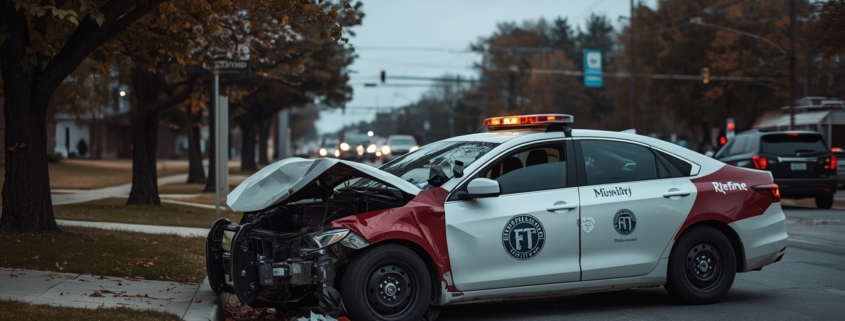
Sugar Land, TX Rideshare (Uber & Lyft) Accident Lawyers
Hurt in a Sugar Land, TX Rideshare Accident? Get the Compensation You Deserve.
Navigating the aftermath of a rideshare accident in Sugar Land can be overwhelming. When you book an Uber or Lyft, you place your trust in the driver and the company to transport you safely. However, when negligence leads to a collision, your world can change in an instant. Suddenly, you are balancing medical appointments, mounting bills, and the physical toll of your injuries, all while trying to decipher complex insurance policies. You should not have to face these challenges alone.
Aggressive Legal Representation for Uber & Lyft Accidents in Sugar Land, TX.
At Will Adams Law Firm, we understand the unique difficulties involved in rideshare litigation. These cases often involve multiple insurance layers and corporate entities that are focused on their own bottom lines rather than your recovery. Our team is committed to standing up for your rights with unwavering advocacy and a relentless work ethic. We believe in providing clear, compassionate guidance to families who have suffered due to the actions of others, ensuring that you remain informed and empowered at every step of the process.
Our approach is built on a foundation of thorough preparation and deep client involvement. We do not look for the fastest resolution; we look for the right one. We prioritize your long-term well-being by ensuring you reach Maximum Medical Improvement before we even discuss settlement options. This ensures that you aren’t left behind with inadequate funds should your medical needs change in the future. We perform meticulous investigations to uncover every available source of insurance coverage, leaving no stone unturned in our pursuit of justice.
Because we believe you are the most important part of your case, we work for you—not the other way around. We value your input on strategies and case decisions, and we never move forward with a settlement or trial without your explicit approval.
By combining over 35 years of experience with a commitment to putting our clients first, we help you navigate the legal landscape with confidence. If you were injured in a rideshare accident in Sugar Land, our team is ready to hold the responsible parties accountable and pursue the outcome you truly deserve. Let us focus on the legal complexities so you can focus on your recovery.
What Are The Legal Differences Between Being A Passenger And A Driver In A Sugar Land, TX Rideshare Accident?
The legal issues surrounding a rideshare accident in Sugar Land, TX can vary significantly depending on whether you were a passenger or the rideshare driver at the time of the collision. Although both may have the right to seek compensation after an accident involving services like Uber or Lyft, the legal responsibilities, insurance coverage, and liability considerations are often very different.
For passengers, legal claims are usually more straightforward because passengers are rarely considered at fault for causing the accident. If you were injured while riding in an Uber or Lyft, you may pursue compensation from one or more insurance policies, depending on who caused the crash. This may include the rideshare driver’s insurance, another driver’s policy, or the rideshare company’s commercial coverage. In Texas, rideshare companies typically provide substantial liability coverage when a driver is actively transporting a passenger or en route to a pickup. Because passengers generally do not bear responsibility for the collision, the main legal issue often centers on identifying the liable party and proving damages.
Drivers, however, face a more complex legal situation. A rideshare driver may be partially or entirely liable for a crash, which directly affects their ability to recover compensation. Texas follows a modified comparative fault rule, officially known as proportionate responsibility. Under Texas Civil Practice and Remedies Code § 33.001, a claimant may not recover damages if their percentage of responsibility is greater than 50 percent. If they are 50 percent or less at fault, they may recover damages, though the award will be reduced by their percentage of responsibility. This fault analysis makes driver claims more heavily disputed than passenger claims.
Another important distinction involves employment status. Rideshare drivers are typically classified as independent contractors rather than employees. This classification can limit when a rideshare company may be directly liable for the driver’s conduct. In many cases, claims against Uber or Lyft focus on insurance coverage rather than direct corporate negligence.
Drivers may also face additional legal complications involving app status. Insurance coverage changes depending on whether the driver was offline, waiting for a ride request, traveling to pick up a rider, or actively transporting a passenger. These insurance requirements are governed by Texas Insurance Code Chapter 1954, which is referenced by the Texas Occupations Code § 2402.101. Each stage can trigger different levels of coverage and legal protections.
In a Sugar Land rideshare accident, passengers often have broader access to compensation with fewer liability concerns, while drivers must navigate fault disputes, insurance tiers, and contractor-related legal challenges. Understanding these distinctions is essential when pursuing a personal injury claim.
What Immediate Steps Should I Take to Protect My Legal Rights After A Sugar Land, TX Rideshare Accident?
A rideshare accident involving services like Uber or Lyft in Sugar Land, Texas, can leave you overwhelmed, injured, and unsure of what to do next. The steps you take immediately after the crash can significantly affect your health, insurance claim, and ability to pursue compensation. Protecting your legal rights begins at the scene and continues in the days that follow.
First, prioritize safety and seek medical attention. Call 911 immediately so emergency responders can assess injuries and document the crash. Even if you feel fine, some injuries, such as whiplash, internal bleeding, or concussions, may not show symptoms right away. Prompt medical care creates important records that can connect your injuries to the accident.
Next, report the accident to law enforcement and make sure an official police report is filed. In Sugar Land, responding officers will document vehicle damage, witness statements, road conditions, and potential fault factors. This report often becomes critical evidence during insurance negotiations or legal proceedings.
Gather as much evidence as possible at the scene if you are physically able. Take photos of vehicle damage, skid marks, traffic signs, road conditions, visible injuries, and the surrounding area. Screenshot your rideshare trip details from the app, including the driver’s name, trip route, and ride status. Because rideshare claims often depend on whether the driver was actively using the app, this information is extremely important.
Exchange information with everyone involved, including drivers, passengers, and witnesses. Obtain names, phone numbers, license plate numbers, driver’s license information, and insurance details. Avoid discussing fault or making statements that could later be used against you.
Report the crash to the rideshare company through the app as soon as possible. Both Uber and Lyft maintain reporting systems and insurance policies that may apply depending on the driver’s status at the time of the crash.
Finally, avoid giving recorded statements to insurance adjusters before speaking with a lawyer. Insurance companies may try to minimize payouts by using your words against you. A rideshare accident attorney can help preserve evidence, identify liable parties, and ensure deadlines for filing claims under Texas law are met. Taking these steps quickly can strengthen your claim and protect your right to compensation.
What Role Does A Police Report Play In A Rideshare Liability Case in Texas?
A police report often plays an important role in determining liability after a rideshare accident in Texas involving companies like Uber or Lyft. While a police report does not automatically decide who is legally responsible, it can provide valuable evidence that helps insurers, attorneys, and courts understand what happened and who may be at fault.
After a collision, law enforcement officers typically respond to the scene, assess vehicle damage, speak with drivers and witnesses, and document important details. The resulting police report usually includes the date, time, and location of the crash, names of the involved parties, insurance information, witness statements, weather conditions, and the officer’s observations. In rideshare cases, this documentation can be especially important because multiple insurance policies may apply.
Texas rideshare liability cases can become complicated because coverage often depends on the driver’s status within the rideshare app at the time of the accident. For example, liability may differ depending on whether the driver was offline, waiting for a ride request, or actively transporting a passenger. A police report may contain statements or evidence that help establish the driver’s activity during the crash, which can directly affect available insurance coverage.
Police reports also help preserve evidence before memories fade or details become disputed. In many rideshare accidents, drivers, passengers, third-party motorists, and rideshare companies may all provide conflicting accounts. The report creates an early record of the incident that can support or challenge later statements. If a driver admitted distraction, speeding, or failure to yield, those details may appear in the report and strengthen an injury claim.
However, a police report is not perfect. Officers do not always witness the collision firsthand, and some reports may contain errors or incomplete information. Because of this, attorneys often use police reports alongside other evidence such as dashcam footage, app data, phone records, medical records, and accident reconstruction analysis.
In a Texas rideshare liability case, a police report serves as a critical starting point. It helps establish facts, identify involved parties, and support negotiations with insurance companies, making it an important piece of evidence when pursuing compensation after an accident.
How Is The Value Of Pain And Suffering Calculated In A Rideshare Injury Lawsuit in Sugar Land, TX?
In a rideshare injury lawsuit involving companies like Uber or Lyft in Sugar Land, Texas, pain and suffering damages are meant to compensate injured victims for the physical pain, emotional distress, and overall reduction in quality of life caused by the accident. Unlike medical bills or lost wages, pain and suffering do not come with clear receipts, making valuation more complex.
Texas law does not use a fixed formula to calculate pain and suffering. Instead, insurance adjusters, attorneys, judges, and juries evaluate multiple factors to determine what amount is reasonable. While there is no statutory mandate for their use, some practitioners may utilize the “multiplier approach.” Under this method, the victim’s economic damages—defined under Texas Civil Practice and Remedies Code § 41.001(4)—are multiplied by a number typically ranging from 1.5 to 5. Severe injuries often justify a higher multiplier. For example, if economic damages total $50,000 and the multiplier is 4, the total claim value might reflect that calculation, though this is a settlement tool rather than a legal requirement.
Another approach is the per diem method, which assigns a daily dollar amount to the victim’s suffering. That daily amount is multiplied by the number of days the victim experiences pain or limitations. This method is often used when recovery timelines are clear and well-documented.
Several factors influence valuation in a Sugar Land rideshare case. Injury severity is one of the most important. Catastrophic injuries such as traumatic brain injuries, spinal damage, or permanent disability usually result in larger awards than minor soft tissue injuries. Recovery duration also matters. Long-term pain, chronic discomfort, or permanent mobility issues significantly increase claim value.
Emotional harm is also considered. Anxiety, depression, post-traumatic stress, sleep disturbances, and fear of riding in vehicles can all support pain and suffering claims, which are categorized as “non-economic damages” under Texas Civil Practice and Remedies Code § 41.001(12). Medical records, therapy notes, photographs, pain journals, and testimony from family members often help prove these non-economic damages.
Because rideshare accidents may involve multiple insurance policies and disputed liability, calculating pain and suffering often requires strong evidence and careful legal strategy. It is important to note that the statute of limitations for filing a personal injury lawsuit in Texas is generally two years from the date of the injury, per Texas Civil Practice and Remedies Code § 16.003. An experienced attorney can help build a persuasive claim and pursue fair compensation for both visible and invisible injuries.
Sugar Land, TX Rideshare (Uber & Lyft) Accident Claims FAQ
1. What should I do immediately after a rideshare accident in Sugar Land, TX?
After a rideshare accident in Sugar Land, prioritize safety by seeking medical attention and calling police. Gather evidence, including photos, witness contact details, and rideshare trip information. Report the crash to Uber or Lyft through their app. Avoid discussing fault. Prompt documentation helps protect your injury claim and strengthens potential compensation negotiations later significantly.
2. Who can be held liable in a Sugar Land rideshare accident?
Liability in a Sugar Land rideshare accident depends on who caused the crash. Responsible parties may include the rideshare driver, another motorist, Uber, Lyft, or vehicle manufacturers if defects contributed. Texas negligence laws require proving fault. Multiple parties may share responsibility, affecting how damages and insurance claims are pursued after collisions occur.
3. Does Uber or Lyft provide insurance coverage for accidents?
Uber and Lyft provide insurance coverage, but available benefits depend on the driver’s app status during the crash. Coverage is highest when a ride is accepted or passengers are onboard. If the driver was offline, personal auto insurance usually applies. Determining coverage requires reviewing rideshare activity and policy details carefully first.
4. Can passengers file injury claims after a rideshare crash?
Passengers injured in a rideshare crash generally have strong claims because they rarely contribute to causing accidents. They may pursue compensation from the at-fault driver’s insurer, rideshare coverage, or other responsible parties. Recoverable damages may include medical costs, lost income, pain and suffering, and future rehabilitation expenses after serious injuries.
5. How long do I have to file a rideshare accident claim in Texas?
Texas generally gives injured victims two years from the accident date to file a personal injury lawsuit. Missing this deadline may prevent recovery entirely. Some exceptions apply, especially involving minors or government entities. Acting quickly preserves evidence and allows attorneys time to investigate liability, negotiate with insurers, and protect your rights.
6. What damages can I recover after a rideshare accident?
In a Sugar Land rideshare accident claim, recoverable damages often include medical bills, lost wages, reduced earning capacity, property damage, and rehabilitation expenses. Non-economic damages may cover pain, emotional distress, and loss of enjoyment of life. Severe cases involving permanent disability may justify substantial future damages and long-term compensation awards.
7. Do I need a police report for my rideshare claim?
A police report can significantly strengthen a rideshare accident claim by documenting important details, including parties involved, witness statements, road conditions, and preliminary fault assessments. Insurers often review these reports during investigations. While not always required, obtaining a report creates valuable evidence supporting negotiations or litigation after serious accident-related injuries.
8. What if the rideshare driver was not at fault?
Even if your Uber or Lyft driver was not at fault, injured passengers may still seek compensation from the negligent driver who caused the collision. Insurance claims can involve multiple carriers. Depending on coverage, uninsured or underinsured motorist benefits may also apply when the at-fault driver lacks sufficient insurance protection available.
9. Can I still recover compensation if I was partially at fault?
Texas follows a modified comparative fault rule. You may still recover damages if you were 50 percent or less responsible for the accident. However, compensation is reduced by your percentage of fault. If responsibility exceeds 50 percent, recovery is barred. Insurers frequently dispute fault percentages during settlement negotiations aggressively.
10. Should I speak with Uber or Lyft’s insurance adjuster?
Be cautious when speaking with insurance adjusters representing Uber, Lyft, or other insurers. Adjusters may seek statements that reduce claim value or shift blame. Avoid giving recorded statements without legal guidance. Providing only basic factual information protects your interests while preventing accidental admissions that could weaken your compensation claim significantly later.
11. How is pain and suffering calculated in rideshare accident claims?
Pain and suffering damages are calculated by evaluating injury severity, treatment duration, emotional distress, long-term limitations, and impact on daily life. Insurers may use multipliers based on economic damages, though no exact formula exists. Strong medical records and credible evidence help demonstrate how injuries affected your quality of life substantially.
12. Why should I hire a Sugar Land rideshare accident attorney?
A Sugar Land rideshare accident attorney can investigate liability, identify applicable insurance policies, gather evidence, calculate damages, and negotiate aggressively with insurers. Rideshare claims often involve layered coverage and complex legal issues. Legal representation improves your ability to pursue fair compensation while focusing on recovery and medical treatment after injuries.