
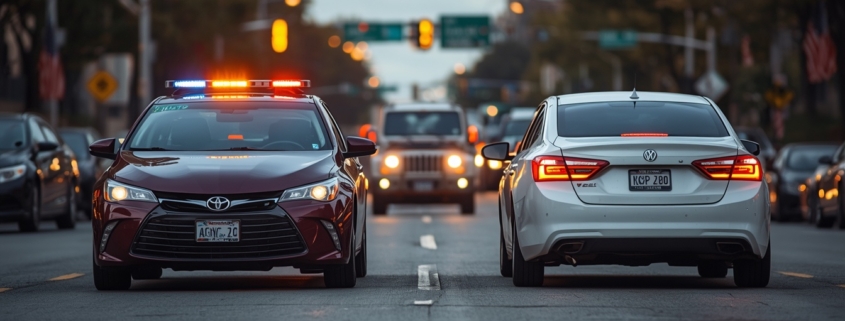
Katy, TX Rideshare (Uber & Lyft) Accident Lawyers
Uber & Lyft Accident Victims in Katy: Hold Negligent Drivers Accountable
When you rely on a rideshare service, you trust that your driver will prioritize your safety. Unfortunately, when accidents occur, the aftermath can feel overwhelming. Dealing with physical injuries, mounting medical bills, and the complexities of rideshare insurance policies is a daunting task, especially while you are trying to recover.
If you or a loved one has been injured while using a rideshare service in Katy, Texas, you deserve a legal team that stands firmly on your side.
At Will Adams Law Firm, we understand the unique challenges associated with Uber and Lyft accidents. Our dedicated team is committed to helping you hold negligent drivers—and the companies that employ them—accountable for the harm they have caused.
With over 35 years of experience, we have focused our practice on advocating for those whose lives have been disrupted by the carelessness of others. We believe that your focus should remain entirely on your health and recovery, while we handle the rigorous process of securing the compensation you need to move forward.
Suffered from a Katy, TX Rideshare Accident? Don’t Settle with the Insurance Company Alone
It is a common tactic for insurance companies to offer quick, low-ball settlements shortly after a collision, hoping that victims will accept the payout before they fully understand the extent of their injuries or the long-term financial consequences. Never feel pressured to accept an offer without first seeking counsel. At Will Adams Law Firm, we prioritize your long-term well-being over the ease of a fast resolution.
We refuse to rush the claims process. Our approach is built on meticulous investigation; we work to uncover every possible source of insurance coverage and identify all responsible parties to ensure no avenue for your recovery is overlooked.
We maintain a client-centered philosophy, meaning we will never settle your claim without your informed approval, and we ensure you have reached Maximum Medical Improvement before finalizing your case. This precaution ensures you do not face future medical costs for surgeries or ongoing care without the necessary financial support.
By combining our deep experience with a commitment to transparency, we empower you to make confident decisions about your case. You do not have to navigate the insurance landscape by yourself. Let our team provide the determined, principled advocacy you need to protect your future.
How Does Texas Law Determine Liability In A Katy, TX Rideshare Accident?
In Katy, Texas, liability for a rideshare accident is determined by establishing negligence and the driver’s status within the company’s app. Texas uses a modified comparative negligence system, meaning compensation depends on proving fault while remaining at or below 50% responsible. Coverage is dictated by the Texas Insurance Code, which mandates specific liability limits based on whether the driver was waiting for a ride or actively transporting a passenger during the crash.
To successfully pursue a claim, you must prove the four elements of negligence: duty of care, breach of that duty, causation, and actual damages. Under Texas Civil Practice and Remedies Code Section 33.001, liability is assessed through proportionate responsibility. If a claimant is found to be more than 50% responsible for the accident, they are barred from recovery. If they are partially at fault but 50% or less responsible, their damages are reduced by their percentage of fault.
Insurance coverage for these incidents is governed by Texas Insurance Code Chapter 1954, which outlines the requirements for Transportation Network Companies (TNCs). Because rideshare drivers are classified as independent contractors rather than employees, liability often rests on the specific “period” of the ride:
- App Off: The driver’s personal auto insurance applies.
- App On, No Passenger: The company must provide at least $50,000 in bodily injury coverage per person, $100,000 per accident, and $25,000 for property damage, as per Section 1954.052.
- Active Ride (Accepted or Passenger Present): The rideshare company is mandated to carry at least $1 million in liability insurance, as per Section 1954.053.
Determining the exact status of the app at the moment of impact is critical, as it dictates which insurance policy—personal or commercial—must compensate victims for medical expenses, lost wages, and pain and suffering. Given the complexity of proving negligence and navigating corporate insurance layers, victims should prioritize documenting evidence, such as app trip data, police reports, and medical records. Furthermore, remember that the statute of limitations for personal injury claims in Texas is strictly two years from the date of the incident, as established by Texas Civil Practice and Remedies Code Section 16.003.
Can I Recover Damages If I Was A Passenger In A Rideshare Vehicle In Katy, TX?
If you were a passenger injured in a rideshare accident in Katy, Texas, you are generally in a strong legal position to recover damages. Because you had no control over the vehicle, you are rarely found at fault for the crash. You may seek compensation from the at-fault driver’s insurance, or if the rideshare driver was responsible, through commercial policies provided by companies like Uber and Lyft.
Liability and Insurance in Texas
Texas operates as an at-fault state for auto accidents, meaning the party responsible for the collision is financially liable for the resulting damages. As a passenger, your claim will focus on identifying the negligent driver—whether that is your rideshare driver or another motorist.
Rideshare companies provide significant insurance coverage when a driver is “on the clock.” Per regulations mandated by the Texas Insurance Code, coverage amounts vary based on the driver’s status:
- Waiting for a request: Contingent liability coverage typically applies.
- Passenger in vehicle: A $1 million commercial liability policy typically covers bodily injury and property damage when a trip is active.
Legal Framework
Texas utilizes a “modified comparative negligence” system under Texas Civil Practice & Remedies Code § 33.001. Under this rule, a claimant may not recover damages if their percentage of responsibility is greater than 50 percent. Since passengers typically bear no responsibility for traffic collisions, they are rarely subject to fault-based reductions. However, insurance adjusters may still attempt to minimize your claim by challenging the extent of your injuries or the circumstances of the incident.
Recoverable Damages
If you have sustained injuries, you may be entitled to both economic and non-economic damages, including:
- Medical Expenses: Coverage for emergency care, surgeries, and long-term physical therapy.
- Lost Wages: Compensation for income lost while recovering from injuries.
- Pain and Suffering: Damages for physical discomfort and emotional distress.
It is critical to document the accident immediately by requesting a police report, taking photos of the scene, and seeking medical attention. Furthermore, under the Texas Civil Practice & Remedies Code § 16.003, you generally have two years from the date of the accident to file a personal injury lawsuit. Consulting with an experienced attorney is highly recommended to manage complex negotiations with multiple insurance providers.
What Are The Common Causes Of Uber And Lyft Crashes In Texas?
The rise of ridesharing services like Uber and Lyft has transformed transportation across Texas. However, the convenience of these platforms comes with increased road risks. Understanding the common causes of these accidents is essential for passengers and drivers alike to navigate the complexities of road safety and potential liability in the Lone Star State.
Distracted Driving and App Interaction
The most frequent cause of rideshare accidents is distracted driving. Rideshare drivers are under constant pressure to interact with their smartphones to accept ride requests, follow GPS navigation, and communicate with passengers. This frequent task-switching pulls the driver’s eyes off the road, leading to delayed braking, missed traffic signals, and accidental lane drifting. Even a two-second distraction can be enough to trigger a high-speed collision in Texas’s dense urban traffic.
Pressure to Perform and Fatigue
Rideshare drivers often work long, irregular hours, sometimes juggling multiple jobs or driving through the night to maximize their earnings. This leads to driver fatigue, which impairs reaction times and decision-making. Furthermore, the algorithmic structure of the apps can create immense pressure to maintain high ratings and accept rides quickly. This environment often encourages speeding, aggressive lane changes, and reckless driving to meet pickup deadlines or complete trips in a timely manner.
Hazardous Pickups and Drop-offs
A significant portion of rideshare crashes occurs during the pickup and drop-off process. Drivers frequently stop in prohibited areas, double-park, or make abrupt, last-minute turns to reach a curb. These erratic maneuvers are particularly dangerous in high-traffic zones like downtown Houston, Austin, or Dallas, where the mix of hurried drivers and distracted pedestrians creates a recipe for rear-end collisions or sideswipe accidents.
Lack of Specialized Training
Unlike traditional commercial drivers who may undergo rigorous, standardized training, many rideshare drivers operate with varying levels of experience. Without comprehensive safety training, they may struggle to react appropriately to aggressive motorists, poor weather conditions, or complex traffic patterns, increasing the likelihood of accidents on Texas’s expansive and often congested highway systems.
How Do I Document My Injuries Following A Rideshare Collision in Katy, TX?
Following a rideshare collision in Katy, Texas, thorough documentation is the most effective way to protect your rights and support a future personal injury claim. Because rideshare accidents involve complex insurance layers—including the driver’s personal policy, the platform’s commercial coverage, and other involved motorists—objective evidence is critical.
Immediate Medical Documentation
The most important step is to seek medical attention immediately, even if you feel fine. Adrenaline can mask symptoms of serious injuries like whiplash, internal trauma, or concussions. A medical evaluation establishes an official link between the accident and your physical condition. Ensure you:
- Keep all records: Retain copies of ER reports, diagnostic tests (X-rays, MRIs), prescriptions, and specialist referrals.
- Track treatment: Maintain a log of every doctor’s visit, physical therapy session, and any ongoing symptoms or limitations you experience.
Collecting Evidence at the Scene
If you are physically able, gathering evidence at the scene provides the foundation for your claim:
- Photographic Proof: Take high-resolution photos of vehicle damage, road conditions, traffic signs, and any visible injuries you sustained.
- Contact Details: Obtain the name and contact information of the rideshare driver, other drivers, and any witnesses. Ensure you have the rideshare driver’s license plate number and note the platform used (Uber or Lyft).
- Official Reports: Always call the police to the scene. A formal police report provides an objective account of the incident, which is vital if liability becomes a dispute.
Maintaining Personal Records
Beyond medical and scene evidence, keep a “pain journal.” In the weeks following the collision, document how your injuries impact your daily life, such as your ability to work, sleep, or perform routine tasks. You should also save all financial documentation, including:
- Invoices for medical care and repair services.
- Receipts for out-of-pocket expenses like transportation, childcare, or medical equipment.
- Proof of lost wages, such as pay stubs or W-2s, if the injury prevents you from working.
Crucial Note: Report the accident through the rideshare app promptly, but avoid making detailed, speculative, or emotional statements to insurance adjusters. Anything you share prematurely can be used to minimize your claim. Consult with a qualified personal injury attorney before providing a formal or recorded statement to any insurance company.
Frequently Asked Questions: Katy, TX Rideshare Accidents
What immediate steps should I take if involved in a rideshare accident in Katy?
First, ensure everyone’s safety and call 911 to request emergency services and a police report. Seek medical attention immediately, even if injuries seem minor. Document the scene by taking photos of all vehicles, damages, and road conditions. Exchange contact information with all drivers and witnesses. Save your trip receipt in the app to verify the driver’s active status.
Does Texas law treat rideshare accidents differently than standard car accidents?
Yes, rideshare accidents in Texas are more complex due to specialized insurance requirements. Liability depends on the driver’s app status—whether they are offline, online waiting for a request, or actively transporting a passenger. These three stages trigger different insurance policies. Understanding these specific regulatory tiers is essential for determining who provides coverage for your injuries and damages.
How does the driver’s app status affect insurance coverage after a crash?
When the app is off, the driver’s personal insurance applies. If they are online but haven’t accepted a ride, Texas Insurance Code § 1954.052 provides limited liability coverage. If a ride has been accepted or a passenger is present, Texas Insurance Code § 1954.053 requires a $1,000,000 liability policy. Proving the exact status at the collision is crucial.
Am I entitled to compensation if I was a passenger in the rideshare?
Yes, as a passenger, you are generally covered by the rideshare company’s insurance policy if the driver was logged into the app. You may be eligible to recover compensation for your medical expenses, lost wages, and pain and suffering. If the accident was caused by another driver, you might also seek recovery from their insurance or through uninsured motorist coverage.
Can I still recover damages if I was partially at fault for the accident?
Texas follows a modified comparative negligence rule under Texas Civil Practice and Remedies Code § 33.001. You can recover compensation as long as your percentage of fault is 50 percent or less. However, your total damages will be reduced by your percentage of responsibility. An attorney can help analyze the facts to maximize your financial recovery.
Is it necessary to report the accident to the rideshare company directly?
Absolutely. You must report the incident through the Uber or Lyft app as soon as possible after the accident occurs. This creates an official record of the event within their system. Be factual when describing the crash, but avoid offering speculative details or admitting any fault before you have consulted with a legal professional regarding your specific rights and options.
Should I provide a recorded statement to the insurance company after the crash?
No, you should avoid giving any recorded statements to insurance adjusters until you have spoken with an attorney. Insurance companies often aim to minimize payouts and may use your statements to shift blame or downplay your injuries. Your lawyer can handle all communications with adjusters to ensure your rights are protected and you do not inadvertently jeopardize your case.
What types of damages can I recover in a Texas rideshare accident?
You may seek compensation for economic and non-economic damages. Economic damages include current and future medical bills, lost wages, and property damage. Non-economic damages cover intangible losses like pain, suffering, and emotional distress. In cases involving gross negligence, you might also pursue punitive damages. A skilled attorney will calculate these costs to ensure you receive a fair, comprehensive settlement offer.
How long do I have to file a lawsuit after a rideshare accident?
In Texas, the statute of limitations for personal injury claims is generally two years from the date of the accident under Texas Civil Practice and Remedies Code § 16.003. It is vital to take legal action within this timeframe; if you wait too long, you may permanently lose the right to pursue compensation. Promptly initiating your claim preserves evidence.
What if the at-fault driver does not have sufficient insurance coverage?
If you are injured by an uninsured or underinsured driver while in a rideshare, Texas Insurance Code § 1954.054 ensures the rideshare company provides coverage. This is designed to protect passengers when the responsible party lacks enough insurance to cover your medical expenses. A personal injury lawyer can help you navigate these specific policy terms to ensure you receive adequate compensation.
Should I hire an attorney for a rideshare accident claim in Katy?
Yes, hiring an attorney is highly recommended. Rideshare accident claims involve complex insurance policies, multiple potentially liable parties, and sophisticated legal teams representing the companies. An experienced lawyer understands how to investigate the accident, determine fault, handle insurance negotiations, and advocate for the full compensation you deserve while you focus entirely on your physical recovery from your accident injuries.
How are attorney fees handled for a rideshare accident injury case?
Most personal injury attorneys in Texas handle these cases on a contingency fee basis. This means you do not pay any upfront legal fees. Instead, the attorney only gets paid a percentage of the final settlement or court award if they win your case. This structure ensures that you have access to legal representation regardless of your current financial situation.