
Early Warning Signs of Traumatic Brain Injury After a Car Crash
It can happen to anyone on a Texas road. You are driving on I-10 in Houston or navigating a busy Katy intersection, and suddenly, you are dealing with the jarring impact of a car accident. In the chaotic moments that follow, your first instinct is to check for obvious injuries—broken bones, bleeding, or severe pain. You may even feel “fine” at first, just shaken up and dazed.
This is where the danger lies.
Many victims of auto accidents walk away from the scene believing they are unharmed, only to develop serious symptoms hours, days, or even weeks later. This delay is a hallmark of one of the most serious and “invisible” injuries: a traumatic brain injury (TBI).
What Exactly is a Traumatic Brain Injury?
A traumatic brain injury is a complex injury that disrupts the normal function of the brain. It is caused by an external force, such as a sudden, violent jolt or blow to the head, which is exactly what happens in a motor vehicle collision.
When your car stops abruptly, your body stops, but your brain—which floats inside the skull in cerebrospinal fluid—does not. It can slam against the hard, rough interior of your own skull. This impact can cause bruising, bleeding, and tearing of nerve fibers.
TBIs are not all the same. They can range in severity and type:
- Concussion: Often called a “mild” TBI (mTBI), this is the most common type. It is important to know that “mild” only refers to the initial presentation, not the potential for serious, long-term consequences.
- Closed Head Injury: This is any injury where the skull is not broken or penetrated, but the brain is damaged from striking the skull.
- Contrecoup Injury: This occurs when the brain is injured on both sides, first at the point of impact (the “coup”) and then on the opposite side as it rebounds and hits the skull again (the “contrecoup”).
- Diffuse Axonal Injury (DAI): This is a very serious injury that involves the tearing of the brain’s long connecting nerve fibers (axons). This happens when the brain is subjected to strong rotational or shearing forces, common in high-speed wrecks.
Why Are Car Accidents a Common Cause of TBIs?
The physics of a car crash create a perfect storm for head injuries, even in what appear to be “fender benders.” The immense, sudden forces can cause a TBI in several ways:
- Whiplash: The same violent back-and-forth motion that injures the neck can cause the brain to slam against the skull, causing a concussion or DAI.
- Direct Impact: The driver’s or passenger’s head may strike the steering wheel, a window, the dashboard, or a headrest.
- Airbag Deployment: While airbags save lives, their explosive deployment can exert significant force on the head and face, potentially causing a concussion.
- Debris: In more severe collisions, flying objects or collapsing parts of the car’s frame can strike a person’s head.
You do not need to lose consciousness to have sustained a TBI. This is one of the most dangerous misconceptions about head injuries.
Immediate (Red Flag) Warning Signs to Watch For
Some symptoms of a severe TBI are immediate and require an emergency 911 call. If you or a passenger in a Texas car accident experience any of the following, seek emergency medical help right away.
Seek Emergency Care If You See:
- Loss of consciousness (for any length of time, even a few seconds)
- Seizures or convulsions
- Persistent vomiting or severe nausea
- Clear fluid (cerebrospinal fluid) draining from the nose or ears
- Unequal pupil size or one pupil that does not react to light
- Profound confusion or disorientation (not knowing where they are, the day, etc.)
- A severe, worsening headache that does not go away
- Slurred speech or inability to speak
- Obvious weakness or numbness in the arms or legs, or a loss of coordination
These signs can indicate brain swelling, a blood clot (hematoma), or a skull fracture, all of which are life-threatening medical emergencies.
Delayed Physical Symptoms of a TBI
For many car crash victims, the most confusing symptoms are the ones that do not appear for hours or even days. Adrenaline from the crash can mask pain and dysfunction. Only when you are home, and the stress of the event wears off, do these warning signs begin to surface.
Be on high alert for these physical symptoms:
- Persistent Headache: A headache that lingers, gets worse over time, or does not respond to over-the-counter medication.
- Dizziness or Loss of Balance: Feeling lightheaded, unsteady on your feet, or experiencing a spinning sensation (vertigo).
- Fatigue or Lethargy: A deep, profound sense of tiredness or exhaustion that is not relieved by sleep. You may feel like you are moving through “fog.”
- Sleep Disturbances: This can include insomnia (inability to fall asleep or stay asleep) or hypersomnia (sleeping much more than usual).
- Nausea: A lingering, mild feeling of nausea that may come and go.
- Blurred Vision or “Tired Eyes”: Difficulty focusing, seeing double, or feeling like your eyes get tired very quickly.
- Tinnitus: A persistent ringing, buzzing, or hissing sound in the ears.
- Sensitivity to Light and Sound: Finding bright lights (like Texas sunlight or grocery store fluorescents) or normal sounds overwhelmingly intense and painful.
Delayed Cognitive and Mental Symptoms
A TBI is an injury to the brain, the organ that controls your thoughts and processing. These cognitive symptoms are often the most frustrating and are frequently mistaken for stress or emotional trauma from the accident.
Pay attention to these cognitive changes:
- “Brain Fog”: A general feeling of mental slowness, confusion, or difficulty thinking clearly.
- Memory Problems: Difficulty remembering new information (like a doctor’s instructions) or having a poor recollection of the accident itself.
- Difficulty Concentrating: Inability to focus on a task, a conversation, or a TV show. You may find yourself re-reading the same sentences.
- Slowed Thinking: Feeling like it takes you longer to process information, make decisions, or respond in a conversation.
- Trouble Finding Words: Knowing what you want to say but being unable to find the correct word.
- Disorientation: Feeling lost in familiar places or having trouble keeping track of time.
Delayed Emotional and Behavioral Changes
Because a TBI can damage the parts of the brain that regulate emotion (like the frontal and temporal lobes), victims often experience significant personality shifts. These are very real, physiological symptoms of the injury, not a sign of emotional weakness.
Family members and friends are often the first to notice these changes:
- Irritability or Short Temper: Lashing out in anger or frustration at small provocations.
- Mood Swings: Rapidly shifting from happy to sad to angry for no apparent reason.
- New or Worsening Anxiety: Feeling a constant sense of dread, worry, or being “on edge.”
- Depression or Sadness: A persistent feeling of hopelessness, apathy, or a loss of interest in activities you once enjoyed.
- Social Withdrawal: Avoiding friends and family; preferring to be alone.
- Personality Changes: Friends and family may comment that you “just do not seem like yourself.”
What is “Delayed Onset” of TBI Symptoms?
It can be confusing to feel fine at the scene and then feel terrible three days later. This delay is a known medical phenomenon. After the initial impact, a secondary injury cascade can begin inside the brain.
This involves processes like:
- Inflammation and Swelling (Edema): The brain, like any other part of the body, swells when injured. Because the skull is a rigid box, there is no room for this swelling. The resulting pressure (intracranial pressure) can damage healthy brain tissue and produce the symptoms of TBI.
- Reduced Blood Flow: Swelling can also compress blood vessels, reducing the flow of oxygen-rich blood to parts of the brain, causing further cell damage.
This secondary cascade takes time to develop, which is why symptoms of headache, confusion, and lethargy may not peak until 24 to 72 hours after the accident.
The Danger of “Mild” TBI (Concussion)
Many people, and even some insurance adjusters, dismiss concussions as “mild” injuries. This is a mistake. A concussion is still a brain injury. While most people recover fully with proper rest, a significant number develop Post-Concussion Syndrome (PCS).
PCS is a condition where concussion symptoms—like headaches, dizziness, and cognitive fog—persist for weeks, months, or even years after the initial injury. This can be a debilitating condition that affects your ability to work, maintain relationships, and enjoy life.
Never dismiss a “mild” head injury. Every potential TBI requires a medical evaluation and careful monitoring.
What Should You Do After a Texas Car Crash if You Suspect a Head Injury?
Your actions in the days following a collision are vital for your health and for any future legal claim. If you were in a car accident in Texas, follow these steps.
- Seek Immediate Medical Evaluation. This is the most important step. Go to an emergency room or an urgent care center right away, even if your symptoms seem minor.
- Tell the Doctor You Were in a Car Accident. Be very specific. Say, “I was in a car accident today,” and describe the impact. This helps them connect your symptoms to the trauma.
- Report All Symptoms. Do not downplay anything. Report every headache, dizzy spell, or moment of confusion. What seems small to you may be a key diagnostic clue for a medical professional.
- Follow All Medical Advice. If a doctor tells you to rest, rest. This often means “brain rest”—no screens (TV, phone, computer), no reading, and no complex problem-solving. Failure to rest can prolong recovery.
- Create a Symptom Journal. Keep a simple daily log of your symptoms. Note your headaches, energy levels, mood, and any difficulties with work or daily tasks. This journal is powerful evidence.
- Do Not Give a Recorded Statement to the Other Driver’s Insurance. Insurance adjusters are trained to minimize claims. They may try to get you to say you feel “fine” before your TBI symptoms have even appeared. Politely decline and state that you will be speaking with an attorney.
- Do Not Accept a Quick Settlement. An insurer may offer you a few thousand dollars to “settle” your claim quickly. This is a trap. You cannot know the full extent of a TBI or its long-term costs in the first few weeks. Once you settle, you can never ask for more, even if you later need extensive medical care or are out of work for months.
How Do You Prove a Traumatic Brain Injury in a Texas Personal Injury Claim?
Proving an “invisible” injury like a TBI is one of the biggest challenges in a personal injury case. Insurance companies will fight hard, often claiming you are exaggerating or that your symptoms are from a pre-existing condition.
Building a successful TBI claim in Texas requires a mountain of objective evidence. A knowledgeable personal injury attorney will work to gather:
- Medical Records: The complete record from the ER, your primary care physician, and any specialists, such as a neurologist or neuropsychologist.
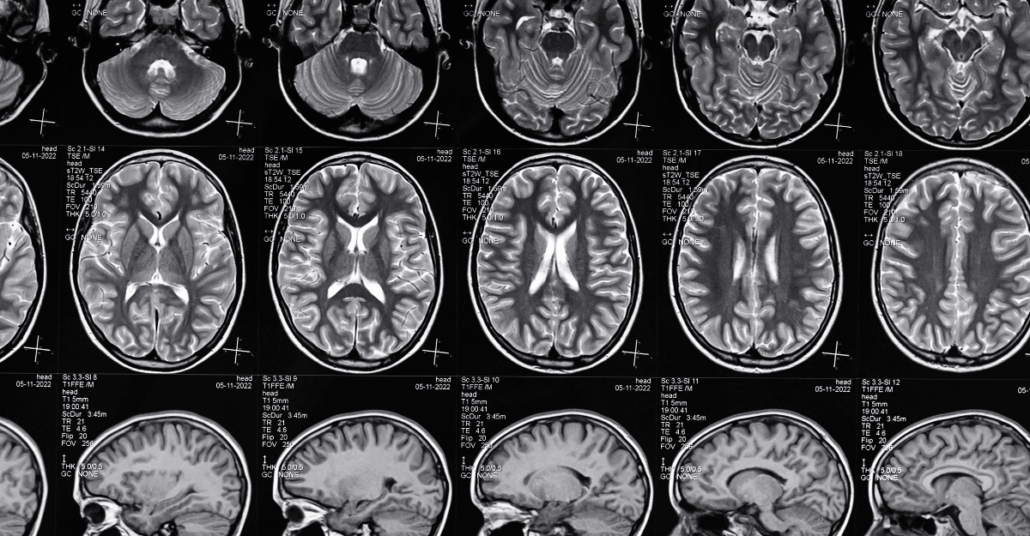
- Diagnostic Imaging: While standard CTs and MRIs are often “normal” in concussions, advanced imaging (like a diffuse tensor imaging MRI) can sometimes show microscopic damage to nerve fibers.
- Neuropsychological Testing: This is a comprehensive set of tests administered by a specialist to objectively measure cognitive functions like memory, attention, processing speed, and executive function. The results can show specific deficits consistent with a TBI.
- Expert Medical Testimony: A neurologist or other medical expert will be needed to review your records and provide a professional opinion that links your symptoms and cognitive deficits directly to the car accident.
- Witness Testimony: Statements from family, friends, and co-workers about the changes they have observed in your personality, memory, and abilities since the crash can be very persuasive.
Why is Documenting TBI Symptoms So Important for Your Legal Case?
In a Texas personal injury claim, the burden is on you (the plaintiff) to prove that the other driver’s negligence caused your injuries and your subsequent damages.
For a TBI, this link is everything. The insurance company’s goal is to break this chain of causation. They will argue:
- You did not complain of a headache at the scene.
- You waited three days to see a doctor.
- Your MRI was “clean,” so there is no injury.
- Your headaches are from stress, not the accident.
This is why immediate medical care and consistent documentation are so important. Your medical records and symptom journal create an unbroken timeline that connects the crash to your first complaint, your diagnosis, and the full impact of the injury on your life.
What Compensation Can Be Pursued for a TBI in Texas?
A TBI is not just a temporary injury; it can be a lifelong condition. The costs associated with it are often staggering. A dedicated attorney will fight to recover compensation for the full scope of your losses, which are divided into two main categories in Texas.
Economic Damages: These are the tangible, calculable financial losses.
- All Medical Bills: Past, present, and future. This includes ER visits, hospital stays, MRI/CT scans, specialist appointments, physical therapy, cognitive rehabilitation, and prescription medications.
- Lost Wages: All the income you lost from being unable to work during your recovery.
- Loss of Earning Capacity: If the TBI leaves you with permanent cognitive or physical deficits that prevent you from returning to your old job or working at all, this compensates you for that lost future income.
- Life Care Costs: For severe TBIs, this can include the cost of in-home assistance or other long-term care needs.
Non-Economic Damages: These are the intangible, human losses.
- Pain and Suffering: Compensation for the physical pain of the injury.
- Mental Anguish: For the emotional distress, anxiety, depression, and fear caused by the injury and its effects.
- Physical Impairment: Compensation for the loss of your physical abilities.
- Loss of Enjoyment of Life: For the inability to participate in hobbies, family activities, and other parts of life that previously brought you joy.
Contact Our Katy, TX Car Accident Law Firm Today
You should not have to bear the financial, physical, and emotional burden of a car accident alone, especially when you are dealing with the frightening symptoms of a head injury. A traumatic brain injury can change your life, and you deserve a dedicated advocate to fight for the resources you need to recover. The Will Adams Law Firm is prepared to take immediate action to protect your rights.
If you or a loved one was injured in a Texas car crash and is experiencing any of the warning signs of a TBI, contact us today at (281) 371-6345 for a free and confidential consultation. We are here to listen to your story and explain your legal options.